

Montana Sending a Strong Anti-Poaching Message
Montana’s recent crackdown on poachers highlights how strong enforcement protects wildlife, a reminder for hunters everywhere to follow the rules.
November 17, 2026 · Read at American Hunter →Understanding the ways feral hogs move through the region and why a coordinated approach is essential for effective control.

Feral swine travel quickly across wetlands, roads, and private fields, often following water sources and natural corridors. Their keen sense of smell and ability to dig allows them to create new pathways that connect isolated populations, making it easy for a small group to become a widespread problem.
In Louisiana the damage adds up to about 76 million dollars each year, a figure that reflects lost crops, soil erosion, and the cost of repairs to fences and infrastructure. For hunters and landowners in Acadiana, each hog removed is a step toward protecting both the environment and the livelihoods that depend on it.
Trapping can catch individual animals, but it rarely reduces the overall population because new hogs move in from neighboring areas. A successful strategy blends trapping with coordinated hunts, habitat management, and reporting of sightings so that efforts are not duplicated and gaps are closed.
The Troops & Tusks feral hog tournament brings together hunters, veterans, and volunteers to hunt on their own land while supporting veteran services. The hogs are weighed, skinned, and the meat is donated to food kitchens and families in need, turning a pest control effort into a community benefit.
If you are a hunter, veteran, or volunteer in Acadiana, consider joining a local control team or the next tournament. Your participation helps limit hog spread, supports those who serve, and contributes to a healthier landscape for everyone.
Posted November 13, 2026 by Troops & Tusks.
Montana’s recent crackdown on poachers highlights how strong enforcement protects wildlife, a reminder for hunters everywhere to follow the rules.
November 17, 2026 · Read at American Hunter →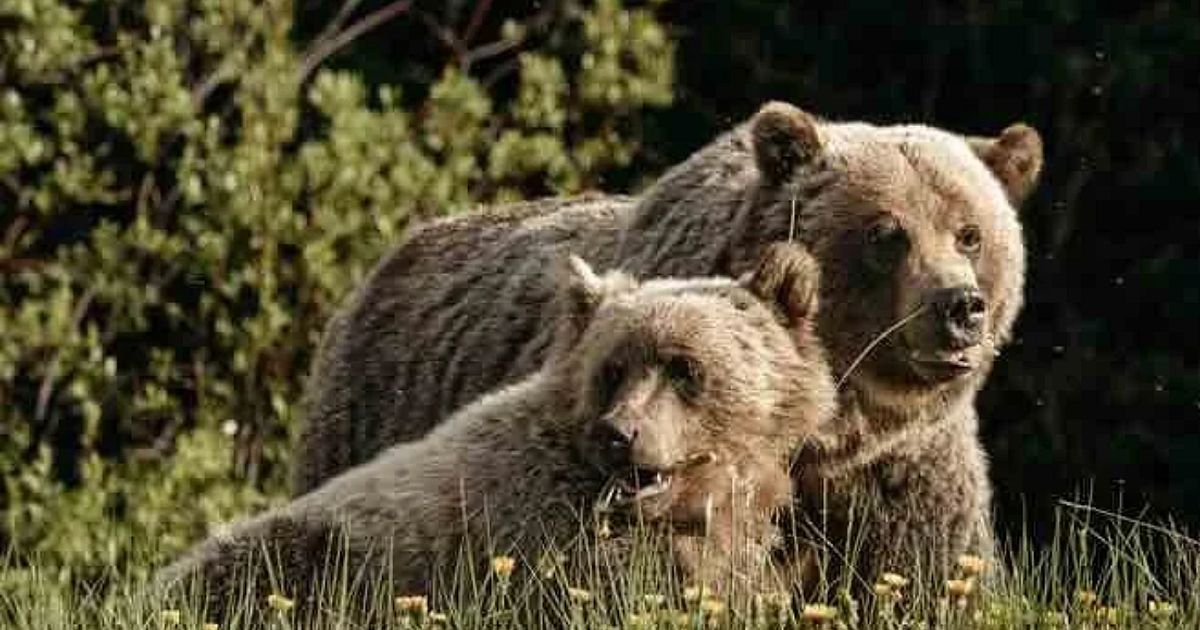
A modestly higher bear harvest in Wisconsin shows how drought can boost game numbers, a trend hunters and conservationists will want to track.
November 17, 2026 · Read at Grand View Outdoors →
Discover how modern hunting ethics can deepen your bond with the woods and guide responsible whitetail stewardship, inspiring a more thoughtful outdoor experience.
November 17, 2026 · Read at MeatEater →