
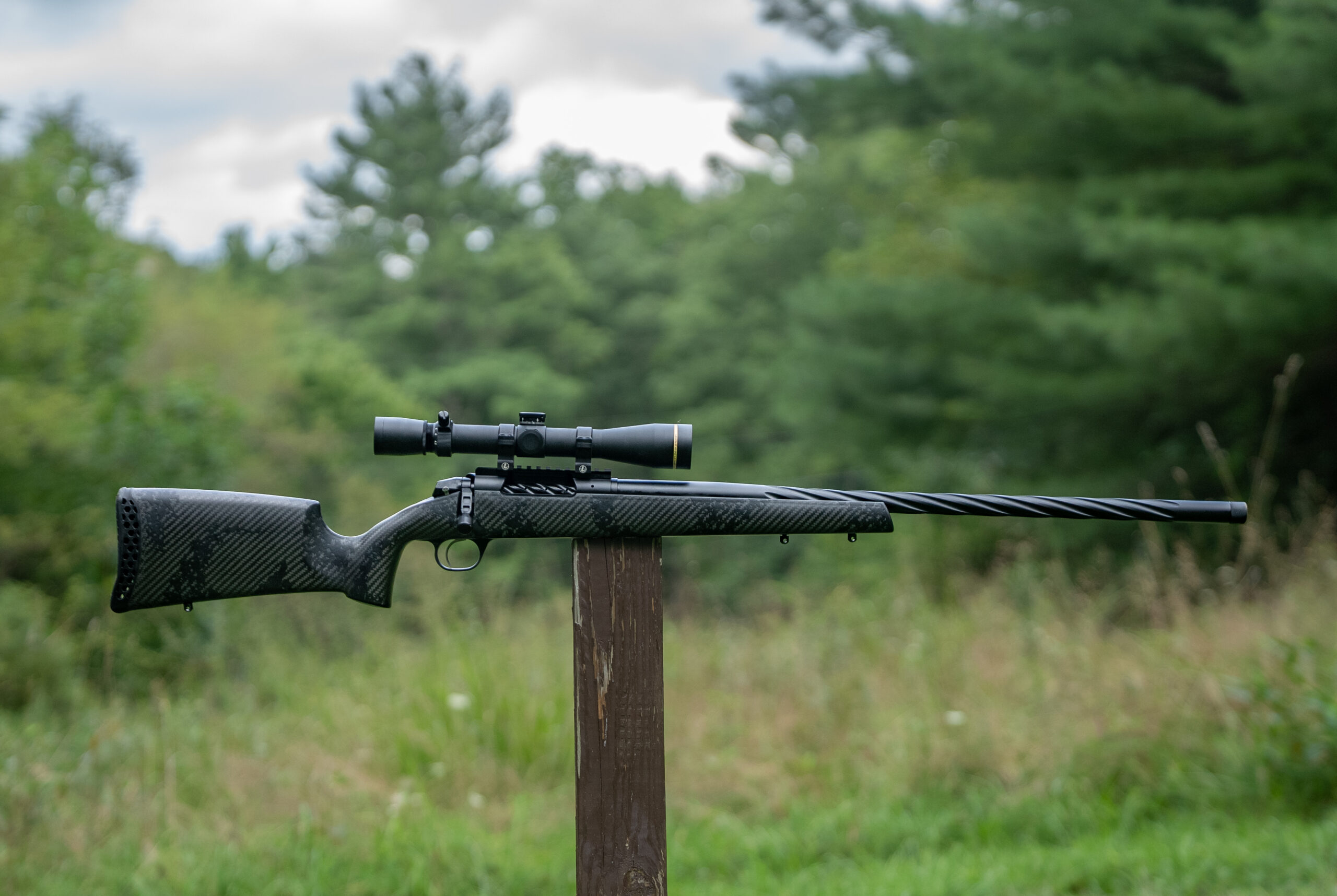
Weatherby 307 MZY Muzzleloader Review-Expert Tested
Discover how the Weatherby 307 MZY performs in the field and whether it’s the right power for tackling tough hogs.
November 16, 2026 · Read at Field & Stream →Learn the visual and auditory clues that reveal where a hog sounder is working your property and how to act responsibly with veteran partners.

When a feral hog sounder moves onto your property, the first step is to learn the signs it leaves behind. In Acadiana, where hog damage runs about 76 million dollars each year, spotting a sounder early can save crops, wildlife and the peace of mind of landowners.
Look for fresh rooting in the soil, especially in low-lying fields or near water. A recent wallow, a shallow mud pit with broken vegetation, often marks a resting spot. Tracks are usually three-toed and may be accompanied by a trail of displaced soil or broken twigs.
Listen as well. Early morning is when hogs are most vocal; a low grunt or a high-pitched squeal can travel across a field. Setting up a quiet listening post near a known travel corridor can help you pinpoint the direction of movement before you see the animals.
Work with a veteran partner and share what you find. Reporting a sounder’s location to the Fredrick Hebert VFW Post 4158 or to a local hog control group lets the community respond quickly and safely. Together we protect the land, support our veterans, and reduce the stress that contributes to the 23 veterans a day lost to suicide.
Posted November 9, 2026 by Troops & Tusks.
Discover how the Weatherby 307 MZY performs in the field and whether it’s the right power for tackling tough hogs.
November 16, 2026 · Read at Field & Stream →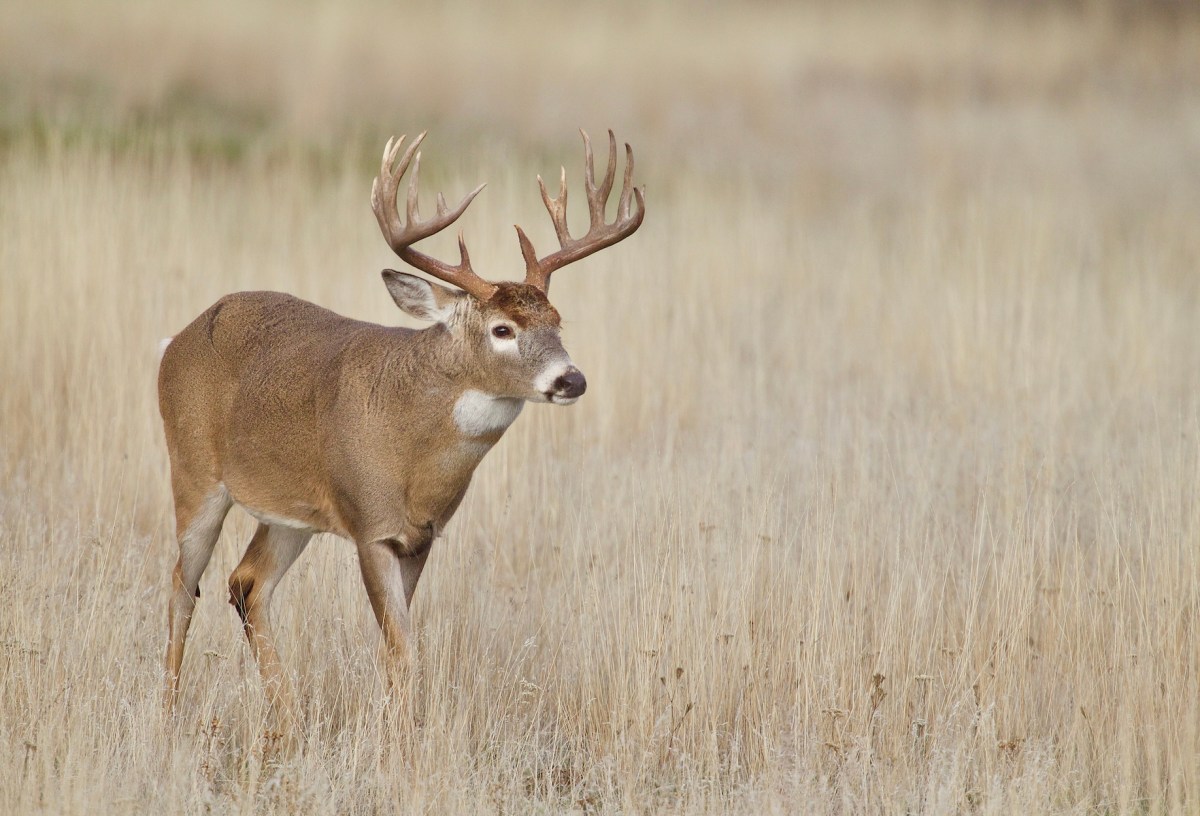
The article argues that fixating on antler size can distort the purpose of hunting and harm conservation, a caution for every outdoor enthusiast.
November 16, 2026 · Read at Outdoor Life →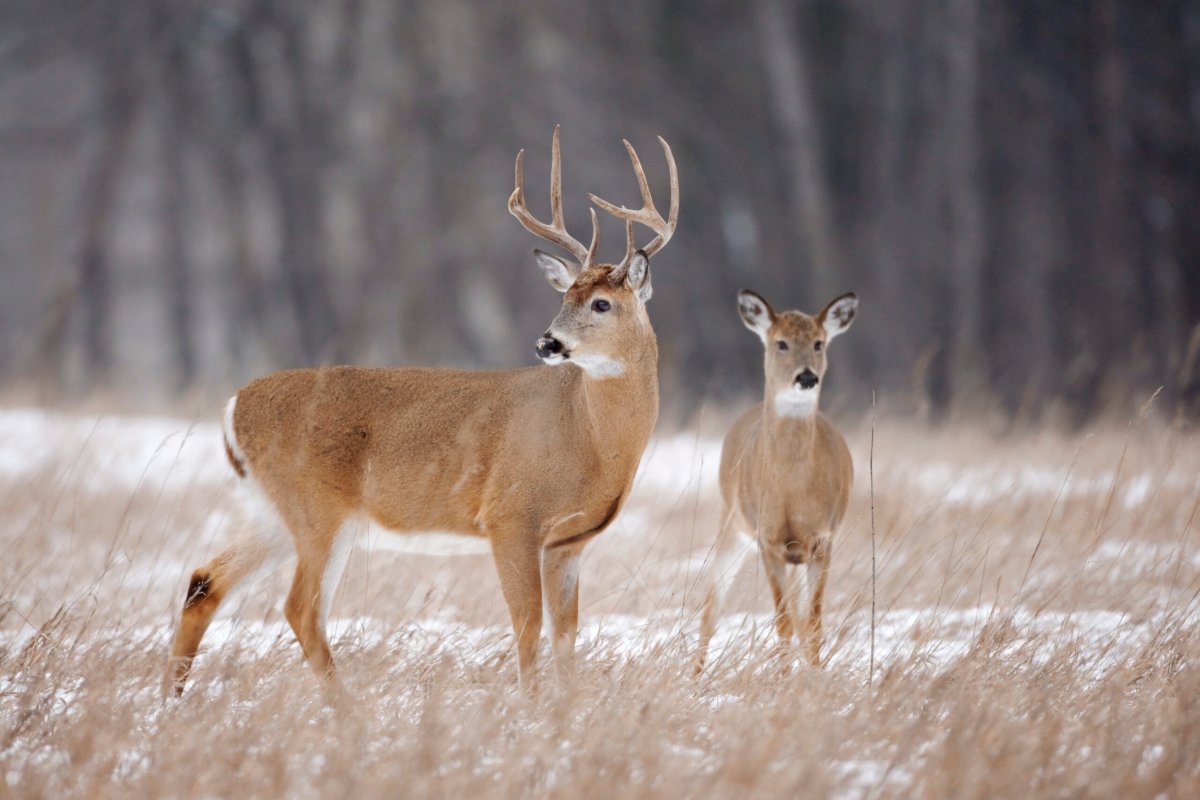
Discover proven tips for tracking whitetail deer in cold weather, helping you stay sharp on the field this season.
November 16, 2026 · Read at Outdoor Life →