
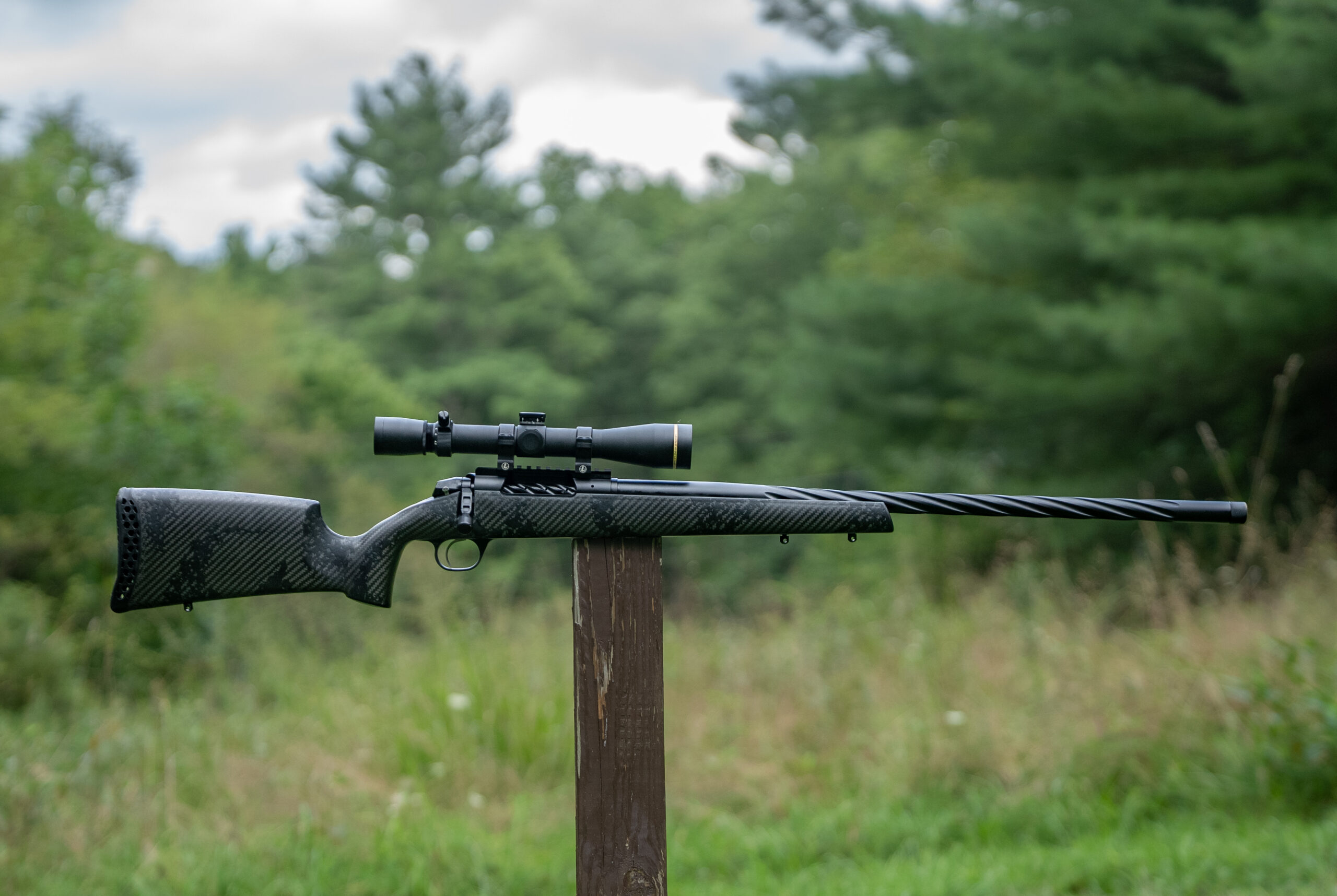
Weatherby 307 MZY Muzzleloader Review-Expert Tested
Discover how the Weatherby 307 MZY performs in the field and whether it’s the right power for tackling tough hogs.
November 16, 2026 · Read at Field & Stream →A single feral hog can turn a healthy rice field into a costly problem for Louisiana growers, and community hunting helps keep the damage in check.
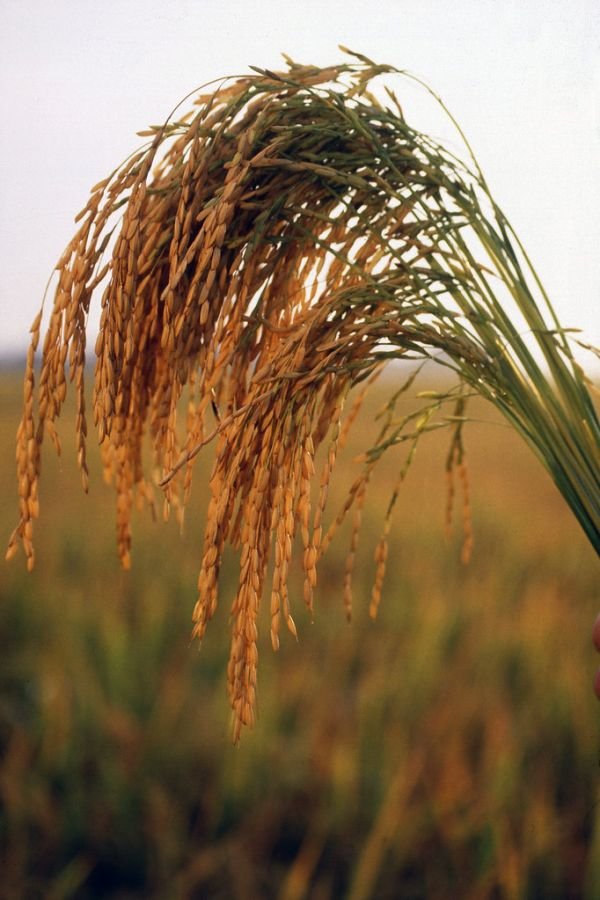
Photo: USDAgov (BY) via flickr
Feral hogs are a daily reality for rice farmers across Acadiana. Across the state, these animals cause about 76 million dollars of agricultural damage each year, and the loss is felt most directly in the fields where they root, trample seedlings and disrupt water control.
In a rice field, a hog's snout can tear up rows of young plants, exposing soil to erosion and creating channels that drain water unevenly. The disturbance not only reduces the stand of rice ready for harvest but also invites weeds and pests that increase the need for additional inputs.
For an individual farmer, the cost of a single hog can quickly become a combination of lost yield, extra labor to repair damage, and the price of additional fertilizer or herbicide to restore the field. While exact numbers vary by acreage, the cumulative effect of even a few animals can erode a season's profit.
Hunters, veterans and volunteers play a practical role in reducing those losses. By participating in organized hunts and the annual feral hog tournament, they help lower hog populations, protect fields and provide meat that supports food kitchens and veteran families.
Keeping hog numbers down is not just an economic issue; it also offers a meaningful way for veterans to stay connected to the land and to each other. Supporting local control efforts helps safeguard rice farms, sustains community resources, and honors those who serve.
Posted September 17, 2026 by Troops & Tusks.
Discover how the Weatherby 307 MZY performs in the field and whether it’s the right power for tackling tough hogs.
November 16, 2026 · Read at Field & Stream →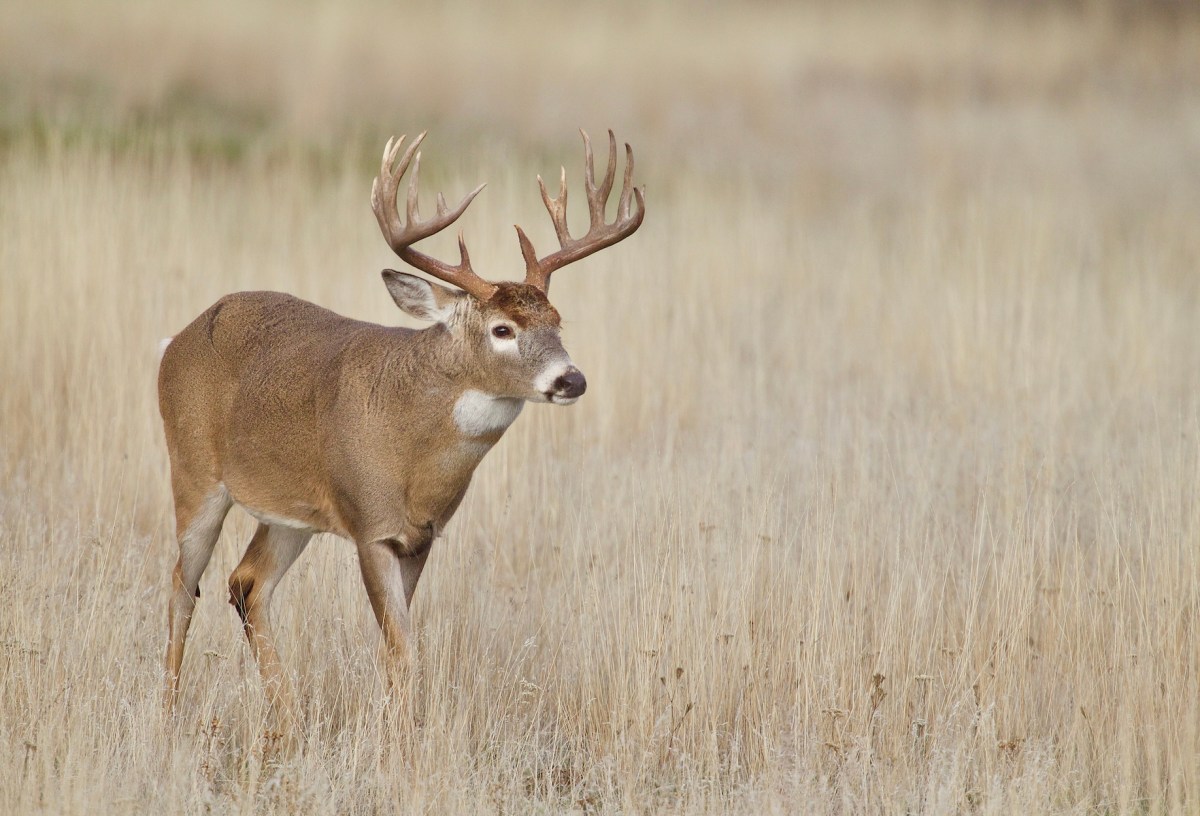
The article argues that fixating on antler size can distort the purpose of hunting and harm conservation, a caution for every outdoor enthusiast.
November 16, 2026 · Read at Outdoor Life →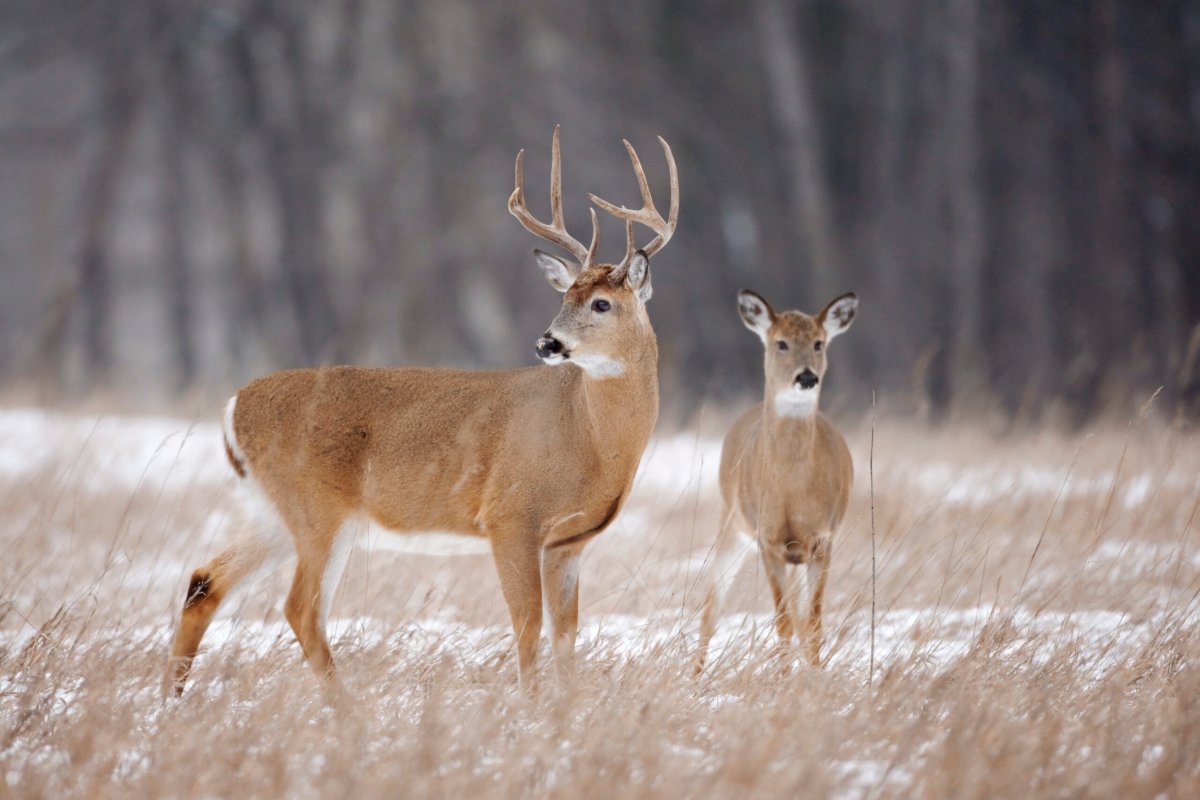
Discover proven tips for tracking whitetail deer in cold weather, helping you stay sharp on the field this season.
November 16, 2026 · Read at Outdoor Life →